There are few places in the United States that have been affected by foreclosures like Martinsburg and the Eastern Panhandle of West Virginia. As a bankruptcy lawyer, I’ve met with many clients who were on the verge of losing their homes. Thankfully, I’ve been able to help many of them. Like all collection actions, a foreclosure must be stopped when a bankruptcy has been filed. Upon filing a bankruptcy, a consumer is automatically protected from any attempts by a creditor to collect a debt. This protection is called the “Automatic Stay” and it is one the most beneficial aspects of filing a bankruptcy. It is designed to give you a “time out” from debt collectors and to allow you to figure out the best way for dealing with your debts. In West Virginia, foreclosures sales are conducted by a trustee. The trustee is usually an attorney who has been appointed by the bank to sell…Read More
If you are dealing with the stress and frustration of debt, you are not alone. According to the official federal government data, approximately 775,000 Americans file for bankruptcy protection every year. Chapter 7 bankruptcy offers a potential solution. Also known as a liquidation bankruptcy, Chapter 7 is one of the best ways for financially distressed consumers to get a true fresh start. You may be wondering: What are the benefits of Chapter 7 bankruptcy? The short answer is that eligible individuals can discharge most debts in a relatively efficient manner, while still protecting their future income and assets. Here, our Martinsburg, WV Chapter 7 bankruptcy attorney provides a more detailed overview of the benefits of filing for Chapter 7 bankruptcy protection. Three Advantages Of Chapter 7 Bankruptcy 1. Most Debts Can Be Discharged—Chapter 7 Offers a Real Fresh Start The primary benefit of Chapter 7 bankruptcy is that it allows the complete discharge of most personal debts. As a general rule, Chapter 7…Read More

Having unpaid debts can be stressful. Being called and having letters sent to you by debt collection agencies can make a stressful situation even worse. However, even if you legitimately owe a debt, there are rules that debt collection agencies must follow. Most consumers don’t know that they have rights even if they owe a debt. Here are seven things (among others) that a debt collection agency cannot do when trying to collect from you: 1. Debt collection companies cannot lie to you. This is a pretty simple rule but one that is very important. Debt collection companies cannot lie about the amount of money that you owe. They cannot lie about who they are or what they can do to you if you don’t pay. 2. Debt collection companies cannot use profane language. Again, this is a very simple rule but one that is violated by debt collectors when they get in heated exchanges with consumers.…Read More

At Hinkle Law, PLLC, we have helped many clients set up favorable repayment plans of taxes owed to the IRS and the West Virginia State Tax Department. This means, you can use your bankruptcy to pay tax debts! It is important to note that most taxes cannot be discharged, or forgiven, in a bankruptcy. This means, that in order to deal with your unpaid taxes, you need to set up a repayment plan. In most cases, the IRS or the State of West Virginia will allow you to set up repayment plans with them directly outside of bankruptcy laws. However, there are some huge advantages to repaying your past-due taxes in a bankruptcy. Here are a few of the most important: 1. No Penalties or Interest: This has to be the biggest advantage to paying your taxes back through a Chapter 13 Bankruptcy. Outside of bankruptcy, you can get buried in the penalties and interest that…Read More
For some people struggling with debt, the worst thing to do is avoiding bankruptcy and treating it as a last resort. Oftentimes, people are so scared by the thought of filing bankruptcy that they take the advice of friends and family members who have good intentions but don’t know the first thing about bankruptcy. I helps hundreds of people each year get relief from their debts by filing bankruptcy. Here are three reasons why putting off a bankruptcy may be a big mistake: 1. You May End Up Throwing Away Money Or Protected Assets. I’ve met with several clients each year who do their best to avoid bankruptcy end up doing some long lasting financial damage in the meantime. One common scenario is where a person struggling with debt will take money out of their 401K or retirement savings to make minimum payments on their credit cards. This is often a temporary fix and eventually the…Read More

How many of you have really taken the time to understand your credit card account? Before I started working in this area of the law, I never did. When I got a bill, I just paid it. If the interest rate changed, I just accepted it. If a fee was assessed, I just assumed it was correct. Now I regret not paying better attention since I could have saved myself some money. You may have noticed some changes to your credit card bill in 2010. Supposedly the bills are now easier to read, simpler to understand, and provide more accessible information to you about things such as interest rates and fees. These changes were due to the implementation of the Credit CARD Act of 2010. While this Act has improved transparency and fairness in consumer credit, the responsibility still falls on you to carefully review your statements and protect yourself. Review the so-called “cardholder agreement”…Read More

If you are getting collection calls, Stop!! Don’t Pay a Penny on that “Old” Debt Until You’ve Talked to a Lawyer! Many of us have enjoyed (or been scared by) a zombie movie or tv show. They are quite popular these days. However, few people have heard of or seen the real life horror story of a “zombie” debt. What is a zombie debt, you ask? Well, like the unfortunate souls in those movies, it is a debt that keeps coming back to life. The term usually refers to a debt, that is beyond the statute of limitations, that keeps getting passed from one debt collection agency to another. The world of debt collection often involves the buying and selling of old debts. Often for pennies on the dollar. Once a debt is beyond the statute of limitations, you cannot be sued or taken to court over it. However, a debt collection company may still…Read More

The two common options for bankruptcy are either Chapter 13 or Chapter 7. Both have their own strengths and weaknesses, making them more or less appealing depending on your situation. Chapter 7 is essentially the liquidation of your assets to pay back the debt that you owe. You can gather your information, place a value on the assets that you own, remove your name from the title of those things (homes, other real estate, vehicles), and use their value to pay back what is owed. Things like past income tax debts, any spousal support, or child support owed are paid first. Secured debt is paid back second, with unsecured non-priority debt paid back last if there are sufficient funds to do so. Things like medical bills, credit cards, and other debts may be forgiven or discharged during this process as a result of them having the least priority to be paid back. Chapter 13 consists…Read More
Chapter 7 bankruptcy allows you the option to liquidate your assets in order to pay off your debts. This can mean that your home, vehicle, and other assets that you own can be removed from your name, and their value can be used to pay off creditors. There are eligibility requirements such as the applicant passing the means test and that they haven’t filed for Chapter 7 in the past eight years. The applicant must undergo credit counseling prior to filing for bankruptcy and need to complete this within six months of filing to be eligible. The applicant must file several forms, including thorough information on all of the creditors owed, their income and expected changes to that income over the next year, details of their assets and expenses, and more. How Is Debt Handled With Chapter 7? There is an order in which debts are to be paid through the filing of Chapter 7…Read More
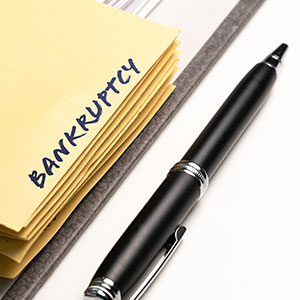
Many families are struggling with debt. Financial problems remain the number one stressor for people nationwide. The American Bankruptcy Institute (ABI) reports that there were 1,611 consumer bankruptcy filings in West Virginia in 2021. Another 8,078 consumer bankruptcies were filed in Maryland. There are actually two different types of personal bankruptcy: Chapter 7 bankruptcy Chapter 13 bankruptcy If you or your loved one is considering filing for bankruptcy protection, it is imperative that you understand the difference between the two. At Hinkle Law, PLLC, we want to make sure you have the tools and knowledge you need to protect your financial interests. In this article, you will find an overview of what you should know about the differences between Chapter 7 and Chapter 13. Difference: Liquidation (Chapter 7) Vs. Restructuring (Chapter 13) Chapter 7 bankruptcy is a liquidation bankruptcy. Chapter 13 bankruptcy is a restructuring bankruptcy. This is the most important difference between the two types of personal…Read More


