



Meet Our Team
Don’t let bankruptcy laws overwhelm you. Let us help guide you through the best course of action for your peace of mind.
You Don’t Have to Face This Alone. Let’s Talk About Your Options
You Don’t Have to Face This Alone. Let’s Talk About Your Options (304) 596-2423
Facing financial hardship is never easy. Filing for bankruptcy is a major decision that comes with fear, uncertainty, and the need for careful research. At Hinkle Law, PLLC, we understand the difficulty of this moment. That’s why our practice is dedicated to helping people like you find answers to your questions and overcome the weight of debt.
Our skilled bankruptcy lawyers have over two decades of experience navigating the complexities of debt, establishing viable plans of action, and helping our clients return to living stress-free lives.
Don’t let bankruptcy laws overwhelm you. Let us help guide you through the best course of action for your peace of mind.
There are different types of bankruptcy, and the right choice depends on your unique financial situation. Our capable team will thoroughly analyze all aspects of your financial affairs and help you determine the best way forward. Whether you need a Chapter 7 bankruptcy lawyer or a Chapter 13 bankruptcy lawyer, we’re here for you.
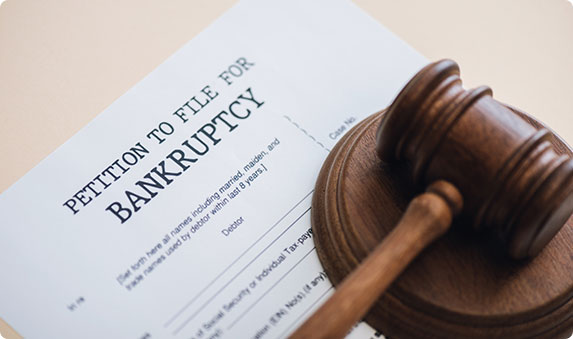
Bankruptcy is a legal proceeding that helps debtors get a fresh start by discharging their debts. The bankruptcy process begins with the debtor filing a petition with the bankruptcy court. The petition includes information about the debtor's assets, liabilities, and income.
Once the petition is filed, the court appoints a trustee to oversee the case. The trustee's job is to collect and sell the debtor's non-exempt assets and use the proceeds to pay the creditors. Creditors also have an opportunity to file claims against the debtor. These claims are then either discharged or reorganized by the court. After all claims have been resolved, the debtor is discharged from their debts and can begin rebuilding their financial life.
Bankruptcy can be complex and time-consuming, which is why guidance from a qualified attorney at Hinkle Law, PLLC is essential.
Chapter 7 is the most common form of bankruptcy. This is because it is relatively easy and quick to complete. In most cases, it can take a mere few months from start to finish. Less time also usually means a cheaper price for consumers.
In Chapter 7, your total assets are tallied, and non-essential assets are sold off to settle your debts.
While it is possible to lose your car or home through Chapter 7, if you are up to date on payments and your home’s equity is within West Virginia’s limits, you will likely be able to hold on to your home and vehicle.
In most cases, Chapter 13 bankruptcy is a more lengthy and expensive process. However, it is appealing to consumers because assets don’t necessarily need to be lost. To prevent home foreclosure or car repossession when facing financial hardship, you can often establish a three to five-year repayment plan.
This allows you to settle some or all outstanding debts with creditors – ensuring you retain ownership of your assets.
Filing bankruptcy can mean wiping the slate clean of some of your debts. Things like credit card debts, personal loans, and medical bills can be removed from your list of financial obligations. It is important to remember that some debts can’t be discharged, such as spousal or child support, recent tax debt, and student loans.

With over 22 years of experience handling bankruptcy cases across West Virginia, Hinkle Law, PLLC offers personalized legal support and clear communication at every stage of your case. Our goal is to help you confidently understand your financial options and guide you toward a stronger financial future.
Your online search for a “bankruptcy lawyer near me" ends here. Speak with a member of our team to learn more about your financial options.
Are you ready to begin the process of getting back on track with bankruptcy?
Contact Hinkle Law, PLLC today at (304) 596-2423 so we can answer your questions and provide you with the peace of mind you deserve.
At Hinkle Law, PLLC, we are committed to helping people get a fresh start. No matter your financial circumstances, there is always a path out of debt. Let us help you find the best way forward.
Address: 115 Aikens Center, Suite 17, Martinsburg, WV 25404
Phone: (304) 596-2423
Office Hours:
Monday - Friday (9am – 5pm) EST
(No Weekends Or Appointments.)