
Divorce is more common and, therefore, more understood by most of us. The other option that couples have is to file for legal separation, commonly referred to as separate maintenance. The main difference is that if you choose to file for legal separation, you remain married rather than if you were to divorce, and you both are now legally single. Legal issues such as child custody, child support, alimony, and division of assets are all finalized in both legal separation and divorce. If the couple chooses to legally separate and then divorce at a later date, their process can be expedited as they have determined some of the legal issues ahead of time through the legal separation. What Are The Benefits Of Legal Separation? Some couples may feel that they have a chance at reconciling in the future and therefore choose to avoid the finality of divorce. There are other reasons that separation can be…Read More

Most people experience financial worries at some point during their life. According to a recent survey cited by CNBC, 77 percent of Americans report that they feel “anxious” about their financial situation. Even more alarming, nearly 40 percent of adults nationwide have dealt with serious financial struggles in recent months. For families with deep (unsustainable) debt, bankruptcy may provide a path forward. We want to make sure that you have the knowledge and tools you need to navigate the bankruptcy process. Here, our West Virginia bankruptcy lawyer answers eight of the most frequently asked questions about bankruptcy law and the bankruptcy process. 1. What Is Bankruptcy? Bankruptcy is a tool to help people fix their financial problems. As simply described by the United States Courts, the process “helps people who can no longer pay their debts get a fresh start by liquidating assets to pay their debts or by creating a repayment plan.” Neither debt (nor bankruptcy) should be viewed…Read More

Many people use the end of a busy holiday season as a time to sit down, take a breath, and plan for the future. New Year’s resolutions are a popular tradition—and a significant portion of people’s goals are centered on their finances. In fact, the Pennsylvania Capital Star recently cited data finding that nearly 40 percent of all New Year’s resolutions involved finances. No matter your family’s current financial situation, you can benefit from a post-holiday review. At Hinkle Law, PLLC, our law firm is focused on helping people get out of debt so they can set up their finances for a secure and stable future. We want to make sure that you have all of the tools, information, and resources needed for a comprehensive financial review. In this blog post, our West Virginia bankruptcy and debt relief attorney highlights five tips for conducting a post-holiday review of your finances. Five Tips For Reviewing Your Finances In 2022 1.…Read More

As a debtor, you have certain rights that are guaranteed by the Consumer Financial Protection Bureau, the Truth in Lending Act, the Fair Credit Billing Act, and the Fair Debt Collection Practices Act (FDCPA). These rights are guaranteed to you regardless of how much debt you hold and, if your rights are being breached and you are the victim of creditor harassment, you can seek legal remedy. At the office of Hinkle Law, PLLC, our debt collection and creditor harassment attorneys can provide you with support when you’re facing harassment or abuse by creditors. Reach out to us today for a consultation to learn more about your rights and options. Your Rights As A Debtor While a creditor does have a right to collect a debt, how and when that debt can be collected is limited by federal law, primarily the FDCPA. The regulations under the FDCPA are enforced by the Consumer Financial Protection Bureau and the…Read More

Your car may be one of your most valuable possessions. Not only may it be worth a good chunk of change—a few thousand dollars or more—but it may also be the thing that gets you to and from. Without your vehicle, you may have a hard time getting to work, running errands, transporting the kids to school and other activities, etc. Yet if you are facing large amounts of debt and miss a car payment, it’s important that you understand that vehicle repossession is a possibility. Here’s what you should know about the bank’s ability to repossess your car to cover a debt you owe— When Can A Bank Repossess A Vehicle? If you have a loan through your bank (or another lender) for your vehicle, then the automobile may be subject to repossession the moment you default on the loan by failing to adhere to the loan terms. In other words, if you don’t…Read More
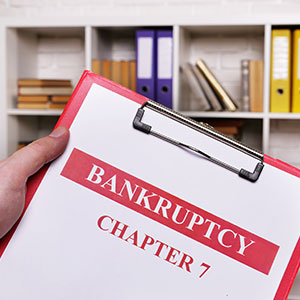
The COVID-19 pandemic and related economic disruptions have put a serious financial strain on many families. If you are dealing with serious financial issues, you may be considering filing for Chapter 7 bankruptcy protection. Before you file, it is crucial that you know the implications of declaring bankruptcy. In this article, our Martinsburg Chapter 7 bankruptcy attorney explains what Chapter 7 bankruptcy means for the people who declare it. Chapter 7 Bankruptcy Is A ‘Straight’ Bankruptcy You will often hear Chapter 7 referred to as either a ‘straight’ bankruptcy or a ‘liquidation’ bankruptcy. As explained by the United States Bankruptcy Court for the Southern District of West Virginia, Chapter 7 has two key purposes: Give honest consumers a chance to get a fresh start. Discharge debts in an orderly manner so that creditors are treated fairly. Many Debts Can Be Discharged In Chapter 7 With Chapter 7 bankruptcy, most consumer debts can be discharged outright. In fact,…Read More

Are you stressed out about your financial situation? You are certainly not alone. A recent survey published by CNBC found that 73 percent of Americans rank finances as the number one stress in their lives. Financial distress can be so emotionally and psychologically overwhelming that many people simply stop opening bills or letters from debt collection agencies. It is a normal response to a difficult situation. Unfortunately, ignoring debt is only going to make the problem worse. As the American Psychological Association (APA) observed in a report, people dealing with stress and anxiety caused by debt can obtain significant benefits from taking control of their finances. You are Dealing With Financial Difficulties, Hinkle Law, PLLC Is Committed To An Easy Process Financial problems are difficult. Once you are overwhelmed with the burdens of high monthly payments and debt that just seems to keep growing, it can be extremely challenging to dig yourself out. Most people do not…Read More

Do you have a spring cleaning checklist that you are working your way through this year? If so, it is a good time to add your finances to the agenda. Spring is a great time to work your way through the clutter—and your finances are no exception. Make a plan to assess and address your financial status. Here, our Martinsburg debt relief attorney provides four tips for reviewing and cleaning up your finances this spring. 1. Take A Comprehensive Financial Inventory Spring cleanup always starts with a comprehensive financial inventory. Before you can sort out and declutter your finances, you need to know exactly what you have, what you are earning, and what you owe. While taking a financial inventory can be stressful—especially if you are dealing with a lot of debt—it is an important first step. When it comes to financial health, knowledge is power. 2. Get A Copy Of Your Credit Report You should review…Read More

Are you dealing with non-stop calls from creditors and debt collectors? Are you falling behind on bills more and more each month? If so, it is normal to feel stressed out and frustrated by your financial circumstances. You probably just want to disconnect and get everything out of your mind. While this is understandable, doing nothing is one of the biggest mistakes you can make. It is far more costly than filing for bankruptcy protection. Here, our Martinsburg bankruptcy attorney explains why doing nothing to change the direction of your finances carries such a high cost. Debt Relief: Three Reasons Why Doing Nothing Is So Costly 1. Debt Will Continue To Build And Become Unmanageable Does your debt feel unmanageable now? Imagine how much worse it is going to feel in six months or a year if you do not take action. The fees, interest rates, and penalties will keep adding up making the situation all the…Read More

According to data from the American Bankruptcy Institute (ABI), nearly 530,000 Americans filed for personal bankruptcy protection in 2020. With the new year, why not get a fresh start with bankruptcy? In this article, our West Virginia bankruptcy lawyer provides an overview of your personal bankruptcy options, explains how the process can help you get a fresh start, and highlights the things you should consider if you are trying to determine if bankruptcy is right for you. Personal Bankruptcy: Know The Basics If you are considering bankruptcy to repair and reset your financial situation in the new year, it is important to understand that there are two distinct types of personal bankruptcy. You may be eligible to file for: Chapter 7 bankruptcy: Also referred to as a liquidation bankruptcy or straight bankruptcy, Chapter 7 bankruptcy protection allows an individual to discharge (wipe out) most or all of their outstanding debts, including credit card bills, medical payments, personal loans, overdue utility…Read More


